
SGI Claim for Catastrophic Injuries in a Car Accident in Calgary
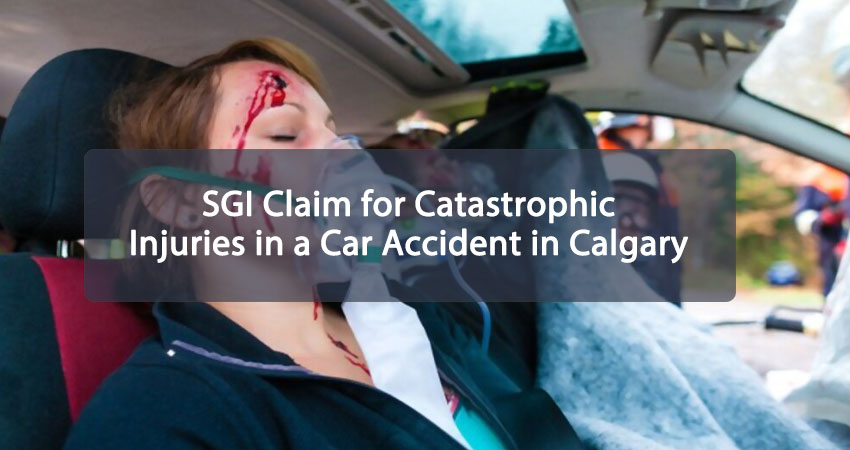
SGI, an acronym for Saskatchewan Government Insurance, is a government-owned insurance corporation that has been serving the province of Saskatchewan, Canada, since its establishment in 1945. As a crown corporation, SGI operates under the oversight and direction of the Saskatchewan provincial government, providing essential insurance services to the residents of the province.
One of SGI’s primary functions is to offer auto insurance coverage to vehicle owners in Saskatchewan. It provides both mandatory and optional insurance coverage, ensuring that all drivers have access to the basic protection required by law. SGI’s auto insurance coverage includes third-party liability coverage, accident benefits, and physical damage coverage for insured vehicles.
In addition to auto insurance, SGI offers various other services to the people of Saskatchewan. It is responsible for driver licensing, vehicle registration, and driver examinations, ensuring that individuals meet the necessary requirements to operate vehicles safely on Saskatchewan roads. SGI’s driver licensing services include issuing driver’s licenses, conducting knowledge and road tests, and monitoring driver records.
SGI also actively engages in promoting road safety and accident prevention. Through educational campaigns, community outreach programs, and partnerships with law enforcement agencies, SGI strives to create awareness and encourage responsible driving behavior. By focusing on preventing accidents and reducing risk factors, SGI aims to make Saskatchewan roads safer for all residents.
SGI’s role in handling catastrophic injury claims resulting from car accidents is particularly significant. When individuals sustain severe injuries in car accidents, SGI plays a crucial role in providing compensation and support to help them recover physically, emotionally, and financially.
Catastrophic Injuries in Car Accidents
Car accidents can lead to devastating consequences, with catastrophic injuries being among the most severe and life-altering outcomes. This article delves into the nature of catastrophic injuries in car accidents, shedding light on their profound impact on individuals’ lives physically, emotionally, and financially. By understanding the gravity of these injuries, we can emphasize the importance of prevention, support, and justice for those affected.
Defining Catastrophic Injuries
Catastrophic injuries are characterized by their severe and long-term consequences, often resulting in permanent disabilities or impairments. These injuries typically affect the central nervous system, spinal cord, brain, or vital organs, leading to profound physical limitations and substantial changes to the victims’ quality of life. Examples of catastrophic injuries include traumatic brain injuries, spinal cord injuries resulting in paralysis, multiple fractures, severe burns, and loss of limbs.
The Impact on Victims’ Lives
Catastrophic injuries in car accidents can have far-reaching effects on victims, both physically and emotionally. The physical impact often entails a loss of mobility, chronic pain, diminished cognitive functions, and the need for extensive medical interventions and rehabilitation. These injuries can also lead to emotional trauma, psychological distress, depression, and anxiety as victims grapple with the sudden changes to their lives, loss of independence, and uncertainty about the future.
Financial Consequences
Catastrophic injuries in car accidents also have significant financial implications for the victims and their families. The costs associated with medical treatment, long-term care, assistive devices, rehabilitation programs, and necessary home modifications can be exorbitant. Moreover, the victims may experience a loss of income due to their inability to work or pursue their previous occupations, placing additional financial strain on their households.
Legal Considerations
Navigating the legal aspects of catastrophic injury claims resulting from car accidents can be complex. Seeking legal counsel specializing in personal injury law becomes crucial in ensuring victims’ rights are protected and they receive fair compensation for their injuries. These legal professionals assist in gathering evidence, negotiating with insurance companies, and pursuing legal action when necessary to secure the compensation needed to cover medical expenses, lost wages, ongoing care, and emotional distress.
Support and Rehabilitation
Recovering from catastrophic injuries requires comprehensive support systems and access to rehabilitation services. Physical therapy, occupational therapy, psychological counseling, and support groups play a vital role in helping victims regain functionality, adapt to their new circumstances, and rebuild their lives. Collaborating with medical professionals, rehabilitation experts, and community resources becomes crucial to ensure a holistic approach to recovery and reintegration.
Prevention and Road Safety Initiatives
Preventing car accidents and reducing the occurrence of catastrophic injuries requires a multi-faceted approach. Government agencies, law enforcement, and organizations dedicated to road safety advocate for stricter traffic regulations, improved infrastructure, and public awareness campaigns. Promoting responsible driving behaviors, discouraging distracted driving, and enforcing strict penalties for traffic violations contribute to safer roads and a decreased risk of catastrophic injuries.
Catastrophic injuries resulting from car accidents have a profound and long-lasting impact on individuals’ lives. Understanding the physical, emotional, and financial consequences of these injuries emphasizes the need for prevention, comprehensive support systems, and justice for victims. By raising awareness, advocating for safer roads, and providing necessary resources, we can strive to minimize the occurrence of catastrophic injuries and ensure a better future for all road users.
SGI Claim Process: Overview and Requirements
When individuals sustain catastrophic injuries in car accidents, navigating the claim process becomes crucial in seeking compensation and support. This section provides an overview of the SGI (Saskatchewan Government Insurance) claim process for catastrophic injuries. By understanding the steps involved and the requirements, victims can ensure a smooth and effective pursuit of their claims.
- Reporting the Accident: The first step in the SGI claim process is promptly reporting the accident to SGI. Victims should contact SGI’s claims department or their insurance broker to initiate the claim. It is essential to provide accurate details about the accident, injuries sustained, and the parties involved.
- Gathering Documentation: To support the claim, victims must gather relevant documentation and evidence. This may include medical records, police reports, accident scene photographs, witness statements, and any other pertinent information. These documents help establish the circumstances of the accident and the extent of the injuries.
- Medical Assessment: SGI requires victims to undergo a medical assessment conducted by approved healthcare professionals. This assessment evaluates the nature and severity of the injuries, their impact on the victim’s life, and the necessary medical treatments and rehabilitation. The medical assessment plays a crucial role in determining the coverage and compensation for the catastrophic injuries.
- Completion of Claim Forms: Victims must complete the necessary claim forms provided by SGI. These forms require detailed information about the accident, injuries, medical treatments, and financial losses incurred. It is crucial to ensure accuracy and provide all requested information to prevent delays in processing the claim.
- Investigation and Evaluation: SGI conducts a thorough investigation to assess the validity of the claim. This involves reviewing the submitted documentation, medical reports, police reports, and any other relevant evidence. SGI may also gather additional information from witnesses, experts, or accident reconstruction specialists to ascertain liability and the extent of the injuries.
- Determining Coverage and Compensation: Based on the investigation and evaluation, SGI determines the coverage and compensation for the catastrophic injuries. This includes assessing the economic damages such as medical expenses, rehabilitation costs, and lost wages, as well as non-economic damages like pain and suffering and emotional distress. SGI also considers future care costs and long-term disability implications.
- Negotiation and Settlement: Once SGI has made an initial determination of coverage and compensation, victims and their legal representatives can engage in negotiation with SGI. This process aims to reach a fair and just settlement that adequately addresses the financial and emotional losses suffered by the victims. Negotiations may involve discussions on specific elements of the claim and may require presenting additional evidence or expert opinions.
- Internal Appeal or Dispute Resolution: In the event of disagreement or dissatisfaction with the settlement offer, victims have the option to initiate an internal appeal process within SGI. This involves presenting arguments and supporting evidence to challenge the initial decision. If an agreement cannot be reached through the internal appeal process, victims may pursue external dispute resolution options such as mediation, arbitration, or, as a last resort, litigation.
The SGI claim process for catastrophic injuries requires victims to follow specific steps and provide the necessary documentation and evidence. By understanding the process and meeting the requirements, victims can navigate their claims effectively and seek the compensation and support they deserve. It is advisable to consult with legal professionals specializing in personal injury law to ensure the claim is handled competently and to advocate for the victim’s rights throughout the process.
What are the Eligibility Criteria for Catastrophic Injury Claims
Eligibility criteria for catastrophic injury claims may vary depending on the specific policies and regulations of SGI (Saskatchewan Government Insurance).Catastrophic injuries are typically defined by their severe and long-term consequences. The injury must result in significant and permanent impairments that substantially impact the victim’s ability to perform daily activities, work, or participate in usual life roles.These injuries often involve trauma to the central nervous system, spinal cord, brain, or vital organs. Examples include traumatic brain injuries, spinal cord injuries resulting in paralysis, severe burns, multiple fractures, or loss of limbs. The injury should meet the criteria of being classified as catastrophic based on medical assessments and expert opinions.
Eligibility for catastrophic injury claims typically requires that the injury was sustained in a car accident. The accident must involve a vehicle insured by SGI, and the injured party must be an eligible claimant under the SGI policy, such as the driver, passenger, or pedestrian involved in the accident. Timely reporting of the accident and the resulting injury is essential. Victims should promptly report the accident to SGI and provide all necessary information and documentation required to initiate the claim process. Failure to comply with reporting requirements may impact eligibility for catastrophic injury claims.
The injury must be assessed by approved healthcare professionals who will evaluate its severity, long-term consequences, and impact on the victim’s life. The medical assessment plays a significant role in determining eligibility for catastrophic injury coverage and compensation. Catastrophic injuries often require extensive and ongoing medical treatment, rehabilitation, and care. Eligibility for catastrophic injury claims may require evidence of the victim’s compliance with recommended medical treatments and rehabilitation programs to optimize recovery and functional outcomes.
Victims must provide evidence of the financial losses incurred as a result of the catastrophic injury. This may include medical bills, rehabilitation costs, assistive devices, home modifications, lost wages, and other related expenses. These damages will be considered in the evaluation of eligibility and the determination of compensation. It is important to note that the eligibility criteria and requirements may vary depending on the specific policies and guidelines of SGI. Victims should consult with legal professionals or directly contact SGI for precise information and guidance regarding eligibility for catastrophic injury claims.
Gathering Evidence for the SGI Claim
Gathering sufficient evidence is crucial when pursuing an SGI claim for a catastrophic injury resulting from a car accident. The evidence you gather will support your case and help establish liability, the severity of your injuries, and the extent of your financial losses. Here are some key types of evidence to consider:
Accident Scene Evidence
- Take photographs of the accident scene, including the vehicles involved, the position of the vehicles, traffic signs or signals, road conditions, and any visible property damage.
- Document any skid marks, tire tracks, or debris on the road that may indicate the cause or contributing factors of the accident.
- Note the weather conditions at the time of the accident, as this information may be relevant to your claim.
Police Reports
Obtain a copy of the police report filed at the scene of the accident. The report provides an objective account of the accident, including details about the parties involved, statements from witnesses, and the officer’s assessment of fault.
Medical Records
- Collect all medical records and reports related to your injuries, including hospital records, diagnostic test results, surgical reports, and physician assessments. These documents help establish the severity and extent of your injuries.
- Maintain a record of all medical treatments, therapies, medications, and rehabilitation programs you have undergone or are currently undergoing. This information demonstrates the ongoing medical care required and the associated costs.
Witness Statements
If there were witnesses to the accident, obtain their contact information and request statements regarding their observations of the incident. Witness statements can provide independent corroboration of your version of events and strengthen your claim.
Expert Opinions
In certain cases, it may be beneficial to seek expert opinions. These can include accident reconstruction experts, medical specialists, or vocational experts who can provide professional assessments or opinions regarding the accident, the causation of your injuries, the impact on your ability to work, and the future care you may require.
Financial Documentation
Gather documents that demonstrate the financial impact of the accident and your injuries, including:
- Keep copies of all medical bills, including hospital expenses, consultations, medications, therapies, and assistive devices.
- Document expenses related to rehabilitation services, physiotherapy, occupational therapy, counseling, or mental health support.
- Maintain records of any income you have lost due to your inability to work as a result of the accident and your injuries.
Personal Journal
Consider maintaining a personal journal where you record your pain levels, emotional struggles, and the daily impact of your injuries on your life. This can serve as a valuable reference when discussing your condition and the impact of the accident on your well-being.
Remember, it’s important to consult with legal professionals who specialize in personal injury claims and have experience with SGI claims. They can guide you through the evidence-gathering process, help you identify additional evidence specific to your case, and ensure that you have a strong foundation for your SGI claim.
Calculating Damages and Seeking Compensation: Assessing the Financial Impact of Catastrophic Injuries in an SGI Claim
When pursuing an SGI claim for catastrophic injuries resulting from a car accident, accurately assessing the damages and seeking fair compensation is essential. Catastrophic injuries often result in significant financial losses, including medical expenses, rehabilitation costs, lost wages, and ongoing care needs. This section explores the process of assessing damages and seeking compensation to ensure that victims receive the financial support they deserve.
Medical Expenses
Catastrophic injuries typically require extensive medical treatment and ongoing care. It is crucial to document all medical expenses related to the accident, including emergency room visits, hospital stays, surgeries, medications, assistive devices, rehabilitation therapies, and future treatment costs. Obtain copies of medical bills, receipts, and invoices to provide evidence of the financial impact of your injuries.
Rehabilitation Costs
Rehabilitation plays a vital role in the recovery and functional improvement of catastrophic injury victims. Costs associated with physical therapy, occupational therapy, speech therapy, counseling, vocational retraining, and other specialized rehabilitation services should be included in the damages assessment. Keep records of all rehabilitation expenses incurred, including receipts, invoices, and therapy session details.
Lost Income and Future Earnings
Catastrophic injuries can significantly impact an individual’s ability to work and earn a living. Document any lost wages or income resulting from your inability to work during your recovery period. If your injuries have permanently affected your ability to perform your previous job or pursue certain occupations, consider consulting with vocational experts who can assess the impact on your future earning capacity. This evaluation can be critical in determining the compensation for lost income and future earnings.
Property Damage
If your vehicle or personal belongings were damaged in the accident, document the cost of repairs or replacement. Include estimates, receipts, and invoices related to the repair or replacement of your property. SGI may consider these costs as part of your overall claim for damages.
Home Modifications and Assistive Devices
Catastrophic injuries may require modifications to your home or the need for assistive devices to enhance accessibility and independence. Document the costs of home modifications, such as ramps, stairlifts, or bathroom modifications, as well as the expenses associated with assistive devices like wheelchairs, prosthetics, or hearing aids.
Pain and Suffering
Non-economic damages, such as pain and suffering, emotional distress, loss of enjoyment of life, and psychological impact, are also considered when assessing damages. These subjective losses are more challenging to quantify but can significantly affect your quality of life. Consult with legal professionals experienced in personal injury claims to determine the appropriate compensation for these intangible damages.
Future Care Costs
Catastrophic injuries often require ongoing medical care, assistance, and support. This includes future medical treatments, rehabilitation therapies, medications, personal care attendants, and other related expenses. Consult with medical experts, rehabilitation specialists, or life care planners who can evaluate your future care needs and provide an estimate of the associated costs. These projections are instrumental in ensuring that your compensation covers the long-term care required.
Assessing damages and seeking fair compensation for catastrophic injuries in an SGI claim requires a comprehensive evaluation of the financial impact. Documenting medical expenses, rehabilitation costs, lost income, property damage, home modifications, and future care needs is essential. Additionally, non-economic damages, such as pain and suffering, should be considered. Working with legal professionals who specialize in personal injury claims can help ensure that all relevant damages are properly assessed, strengthening your case and helping you receive the compensation you deserve.
Challenging Issues and Disputes in SGI Claims for Catastrophic Injuries
Navigating the SGI claims process for catastrophic injuries can sometimes involve challenging issues and disputes. While SGI aims to provide fair compensation and support to victims, disagreements may arise regarding liability, coverage, or the extent of damages. One of the primary challenges in any car accident claim is determining fault and liability. SGI conducts investigations to assess the circumstances of the accident and allocate responsibility. Disputes may arise if there are conflicting accounts of the accident, differing interpretations of traffic laws, or challenges in proving negligence. Legal representation and gathering strong evidence, such as witness statements, accident reconstructions, and expert opinions, can help establish liability.
SGI insurance policies have specific coverage limits and exclusions. Disputes can arise when interpreting policy language and determining whether certain damages or treatments are covered. For catastrophic injuries, where extensive medical care and rehabilitation are required, the adequacy of coverage can become a point of contention. It may be necessary to review policy provisions, consult legal professionals, and potentially challenge coverage denials or limitations.
Catastrophic injuries often have severe and long-term consequences, impacting various aspects of a victim’s life. However, disputes can arise when assessing the severity and impact of these injuries. SGI may conduct independent medical assessments or request additional expert opinions to evaluate the extent of the injuries and their effect on the victim’s ability to work, perform daily activities, or participate in usual life roles. Engaging qualified medical professionals and specialists can help ensure accurate assessments of the injuries and their implications.
Calculating damages and determining appropriate compensation can be contentious in catastrophic injury claims. Disputes may arise regarding the valuation of medical expenses, rehabilitation costs, lost income, pain and suffering, and future care needs. The subjective nature of non-economic damages further complicates the assessment. Engaging in negotiation, providing thorough documentation and evidence, and seeking expert opinions can assist in advocating for fair and just compensation.
If disputes persist, SGI offers an internal appeal process for claimants to challenge decisions regarding liability, coverage, or compensation. This process allows for presenting arguments, providing additional evidence, and seeking reconsideration. However, if resolution cannot be achieved internally, alternative dispute resolution methods such as mediation or arbitration may be pursued. As a last resort, litigation may be necessary to resolve the dispute through the court system.
Challenging issues and disputes can arise during the SGI claims process for catastrophic injuries. It is crucial for victims to be prepared for potential challenges related to fault determination, coverage limitations, the assessment of injuries and their impact, the valuation of damages, and the resolution of disputes. Seeking legal representation from professionals experienced in personal injury claims can provide guidance, support, and advocacy to navigate these challenges and ensure a fair outcome in seeking compensation and support for catastrophic injuries.
Dispute Resolution in SGI Claims: Resolving Conflicts and Achieving Fair Settlements
Disputes can arise during the SGI claims process for catastrophic injuries, leading to disagreements over liability, coverage, or the valuation of damages. Resolving these disputes in a fair and efficient manner is crucial for claimants seeking adequate compensation and support. This section examines the various dispute resolution methods available within the SGI claims process.
Internal Dispute Resolution
SGI provides an internal dispute resolution process to address conflicts between the claimant and the insurer. This process typically involves filing an appeal or requesting a reconsideration of a decision made by SGI. Claimants may be required to provide additional evidence, documentation, or expert opinions to support their position. SGI will review the appeal and reconsider the decision based on the new information provided. Internal dispute resolution offers an opportunity to resolve conflicts without resorting to external processes.
Mediation
Mediation is a voluntary and informal dispute resolution method where a neutral third party, the mediator, assists the parties in reaching a mutually acceptable settlement. In the context of SGI claims, mediation may be conducted by a trained mediator with knowledge of personal injury law and insurance practices. The mediator facilitates communication, helps identify common ground, and encourages the parties to explore potential resolutions. Mediation allows for open dialogue and can be an effective way to resolve conflicts while avoiding the time and cost of litigation.
Arbitration
Arbitration is a more formal dispute resolution process where an independent arbitrator, or a panel of arbitrators, is appointed to hear the case and make a binding decision. Arbitration may be required if the parties have agreed to it in their insurance contract or if they choose this method as an alternative to litigation. The arbitrator’s decision is final and enforceable, providing a resolution to the dispute outside of the court system. Arbitration can offer a more streamlined and cost-effective process compared to litigation.
Litigation
If all attempts at resolution through internal processes or alternative dispute resolution methods fail, litigation may be necessary. Litigation involves presenting the case before a court, where the judge or jury will decide the outcome. Litigation can be a complex and lengthy process, requiring legal representation to navigate procedural requirements, present evidence, and argue the case. While litigation is often seen as a last resort, it can provide a forum for a final resolution when other methods have been exhausted.
Dispute resolution in SGI claims for catastrophic injuries involves a range of methods, including internal appeals, mediation, arbitration, and litigation. The choice of the appropriate method depends on the specific circumstances and the willingness of the parties to engage in alternative processes. Seeking legal advice and representation is essential to navigate the dispute resolution process effectively. By pursuing fair and efficient resolution methods, claimants can work towards achieving a satisfactory settlement that addresses their needs and provides the compensation and support they require following a catastrophic injury.
Case Law Examples
Andrews v. Grand & Toy Alberta Ltd. (1978)
In this landmark Canadian case, the Supreme Court of Canada addressed the issue of assessing damages for catastrophic injuries. Mr. Andrews suffered severe and permanent injuries due to the negligence of his employer. The court established the “thin skull” rule, stating that the defendant must take the victim as they find them, regardless of any pre-existing vulnerabilities. This case highlighted the need to compensate for the full extent of the injuries and the long-term impact on the victim’s life, including loss of earning capacity, pain and suffering, and future care costs.
Athey v. Leonati (1996)
The Athey case, heard by the Supreme Court of Canada, dealt with the issue of causation and the assessment of damages in cases of catastrophic injuries. Mr. Athey sustained a back injury in a car accident, resulting in chronic pain and disability. The court introduced the concept of “material contribution” to causation, stating that a defendant who materially contributes to the plaintiff’s injuries can be held fully liable, even if their actions were not the sole cause. This case emphasized the importance of accurately assessing damages based on the extent of the injury and its impact on the plaintiff’s life.
Blackwater v. Plint (2005)
The Blackwater case involved a catastrophic car accident where multiple plaintiffs suffered severe injuries. The British Columbia Court of Appeal addressed the issue of non-pecuniary damages, particularly the cap on general damages for pain and suffering set by legislation. The court held that the cap infringed on the plaintiffs’ rights and was unconstitutional, as it did not adequately account for the unique circumstances of each individual’s injuries. This case underscored the importance of considering the individual circumstances and the severity of the injuries when determining non-pecuniary damages.
These case law examples demonstrate how courts have addressed issues related to catastrophic injuries and the assessment of damages. They highlight the principles of full compensation, causation, and the consideration of individual circumstances in determining fair and just compensation for victims of catastrophic injuries. These cases have shaped the legal landscape and provided guidance for evaluating damages in SGI claims involving catastrophic injuries.
Promoting Safety and Preventing Catastrophic Injuries: SGI’s Initiatives and Approach
SGI (Saskatchewan Government Insurance) takes a proactive stance towards preventing catastrophic injuries by implementing various initiatives and adopting a comprehensive approach to safety. Recognizing the devastating impact of such injuries, SGI strives to reduce the occurrence of accidents and promote safe practices among drivers, pedestrians, and all road users. This section explores SGI’s approach to catastrophic injury prevention and highlights some of their key initiatives.
Education and Awareness Campaigns
SGI places a strong emphasis on education and awareness to promote safe behaviors and prevent accidents leading to catastrophic injuries. They develop and implement educational campaigns that target specific issues, such as impaired driving, distracted driving, speeding, and seat belt usage. These campaigns utilize various mediums, including television, radio, social media, and community outreach programs, to reach a wide audience and raise awareness about the importance of safe driving practices.
Driver Training and Licensing
SGI places great importance on driver training and licensing programs to ensure that individuals have the necessary skills and knowledge to operate vehicles safely. They collaborate with driver training schools to enhance driver education and promote defensive driving techniques. SGI also implements stringent licensing requirements, including written and practical examinations, to ensure that drivers meet specific competency standards before obtaining their driver’s license.
Vehicle Safety Inspections and Regulations
SGI plays a crucial role in ensuring the safety of vehicles on the road. They conduct regular safety inspections and enforce compliance with vehicle safety regulations. This includes monitoring vehicle maintenance, conducting emission tests, and addressing any safety-related concerns promptly. SGI also works closely with automotive manufacturers and dealerships to promote the availability and use of advanced safety features in vehicles.
Infrastructure and Road Safety
Recognizing the role of infrastructure in preventing accidents, SGI collaborates with government agencies, municipalities, and transportation authorities to improve road design and implement safety measures. This includes enhancing signage, improving visibility, implementing traffic calming measures, and conducting safety audits to identify potential hazards. SGI advocates for safer road infrastructure to minimize the risk of catastrophic injuries.
Research and Data Analysis
SGI conducts comprehensive research and data analysis to identify trends, patterns, and high-risk areas related to catastrophic injuries. By analyzing collision data, injury statistics, and other relevant information, SGI gains insights into the causes and consequences of accidents. This data-driven approach enables them to develop targeted interventions, implement effective policies, and allocate resources efficiently to prevent catastrophic injuries.
Collaboration and Partnerships
SGI recognizes the importance of collaboration and partnerships to achieve meaningful impact in catastrophic injury prevention. They work closely with various stakeholders, including law enforcement agencies, healthcare professionals, advocacy groups, and community organizations. Through collaboration, SGI leverages collective expertise and resources to develop comprehensive strategies and implement joint initiatives that promote safety and prevent catastrophic injuries.
SGI’s commitment to catastrophic injury prevention is evident through their multi-faceted approach. By focusing on education, driver training, vehicle safety, infrastructure improvements, research, and collaboration, SGI strives to create a safer environment for all road users. Through their initiatives, SGI aims to reduce the occurrence of accidents, promote safe behaviors, and ultimately prevent catastrophic injuries. By fostering a culture of safety and prioritizing prevention, SGI plays a vital role in protecting the well-being of individuals and communities in Saskatchewan.
Conclusion
Catastrophic injuries resulting from car accidents can have profound and life-altering consequences for individuals and their families. Throughout the SGI claims process, it is essential to understand the complexities involved and the resources available to navigate the system effectively.
It is important to remember that every case is unique, and seeking legal advice from professionals experienced in personal injury claims is crucial. With their expertise and guidance, individuals can maximize their chances of a favorable outcome and obtain the necessary resources to rebuild their lives after a catastrophic injury.


